
Article content
Residential charging works best when it fits naturally into the time a vehicle is already parked. That sounds simple, but the product conversation usually begins with several connected questions: who will use the space, where can equipment be installed, and what information does the project team need before choosing a model.
Begin with the parking routine
For a private home, the usual starting point is an overnight parking routine. For an apartment building, hotel or destination site, the dwell time and the number of users may vary more widely. These differences affect the kind of charging experience the project needs to provide.
It helps to map the parking area before discussing individual products. Identify the parking positions, the intended mounting location, cable reach and the route from the electrical supply. A clear site picture keeps the next selection conversation focused.
Choose a format that belongs in the space
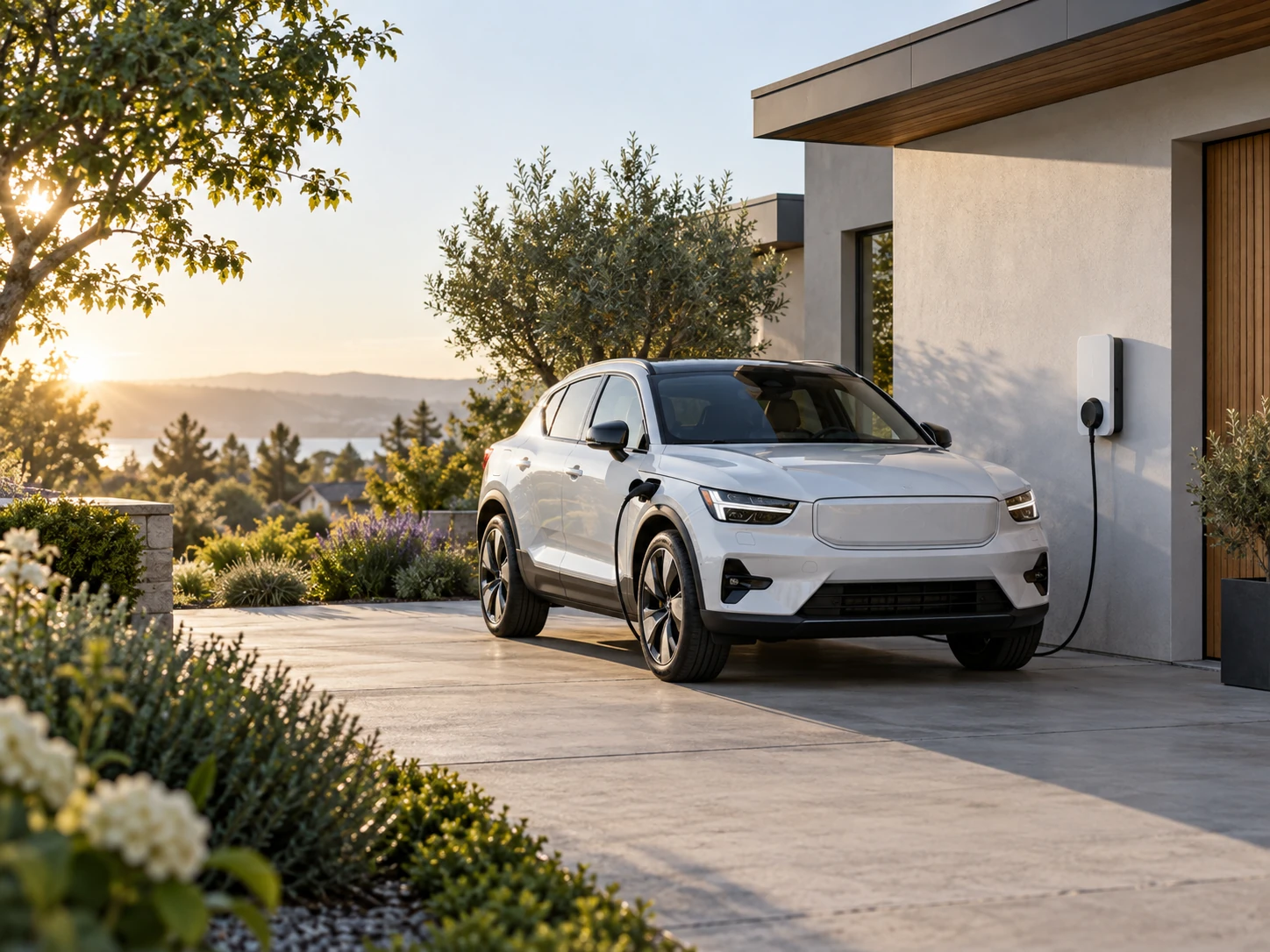
Wall-mounted equipment is often a natural fit where there is a stable wall or support close to the vehicle. Portable equipment can suit situations where flexibility matters, including temporary use, travel or a changing parking arrangement.
The most useful first brief describes the installation environment rather than guessing at a final product model. Include whether the space is private or shared, whether parking bays are assigned, and whether the project needs a fixed installation or a more flexible solution.
Build a clearer request for review
Before asking for a product recommendation, collect the points that allow a supplier to review the project efficiently:
- Country or sales market
- Residential, apartment or destination setting
- Available installation location and cable route
- Expected number of vehicles or parking bays
- Preferred equipment format
- Any project, connector or documentation requirements already known
This information turns a general home charging enquiry into a practical product conversation. It also makes it easier to compare the right equipment category before reviewing model-level details.
Move from a site picture to a product brief
Residential and destination charging does not need to begin with a long technical checklist. Start with the place, the parking routine and the people using it. From there, the equipment category, installation approach and supporting documentation can be reviewed in a clearer order.