Article content
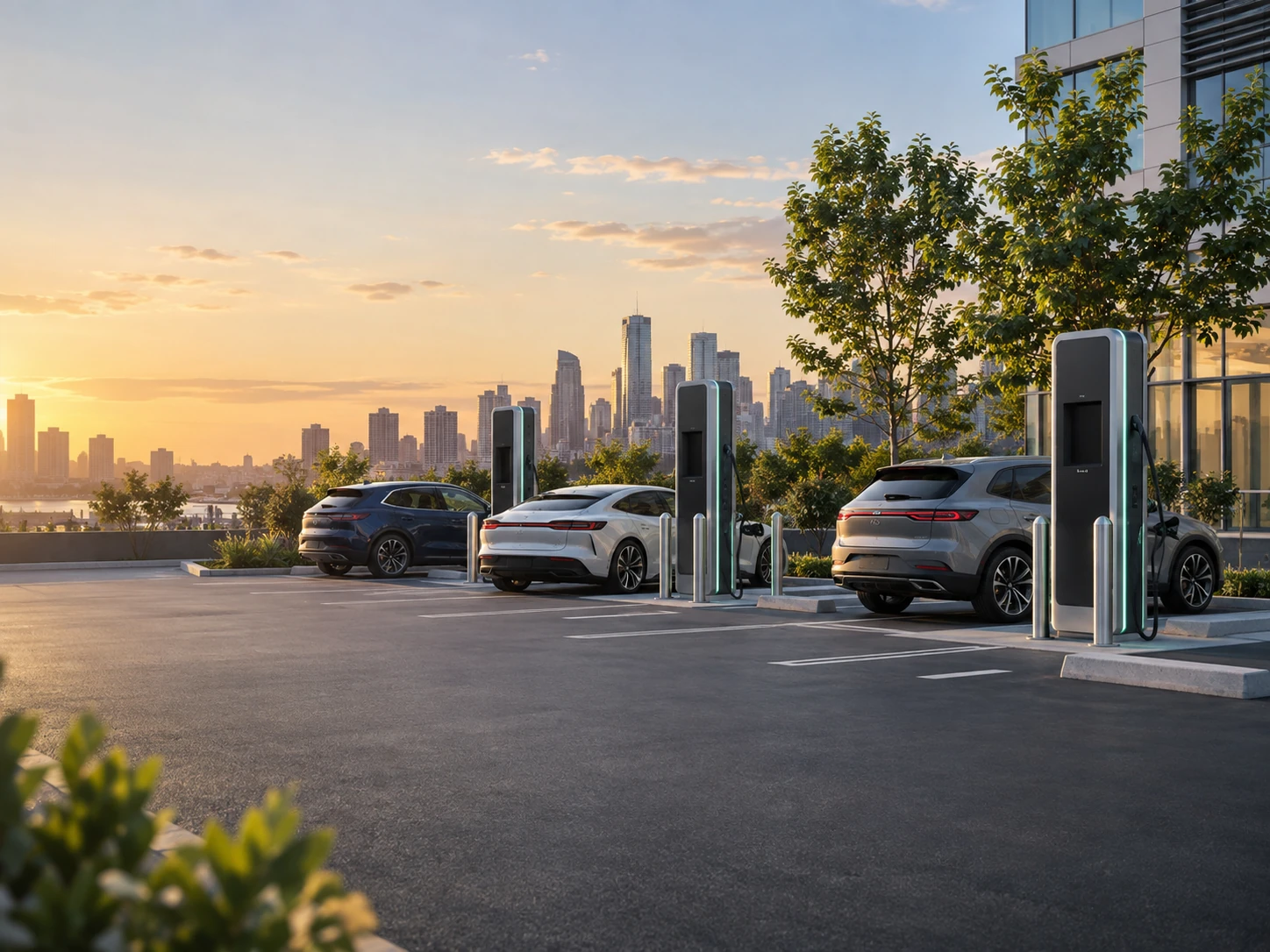
Public fast charging is highly visible. Drivers need to find the equipment, enter the bay, connect comfortably and leave without confusion. For project teams, the first task is to understand how the site itself behaves: traffic flow, dwell time, nearby services and the intended type of charging stop.
Start with the customer journey through the site
Look at how vehicles approach the location and how drivers move once they arrive. A hub near a retail destination may have a different rhythm from a charging stop on a travel route or a commercial forecourt. The layout should leave enough room for vehicles, cable use and clear circulation around the equipment.
Equipment placement is part of the experience. Chargers should be easy to identify from the vehicle approach, while their location needs to work with parking markings, lighting, existing buildings and the wider site plan.
Use the site to guide the equipment discussion
DC fast charging projects normally require a more detailed technical discussion as the project develops. The early brief can still stay straightforward: describe the location, users, expected parking behaviour and the product category being considered.
This avoids jumping immediately to claims or specifications that have not yet been confirmed. It lets the buyer, project team and supplier organise the next review around the actual site requirements.
Include the right information from the beginning
An effective public charging request contains:
- Site type and country or destination market
- Vehicle entry, exit and parking arrangement
- Expected user profile and dwell time
- Number of charging positions under consideration
- Preferred equipment format
- Known connector, documentation or approval requirements
These details make it easier to move from a general public charging idea to a product discussion that can be reviewed by the right stakeholders.
Build an obvious, usable charging stop
Public charging works when drivers can understand the site without needing extra explanation. Start with their route through the location, then define the equipment brief around the space, expected use and market requirements.